Learn Observability by Investigating One Failure End to End
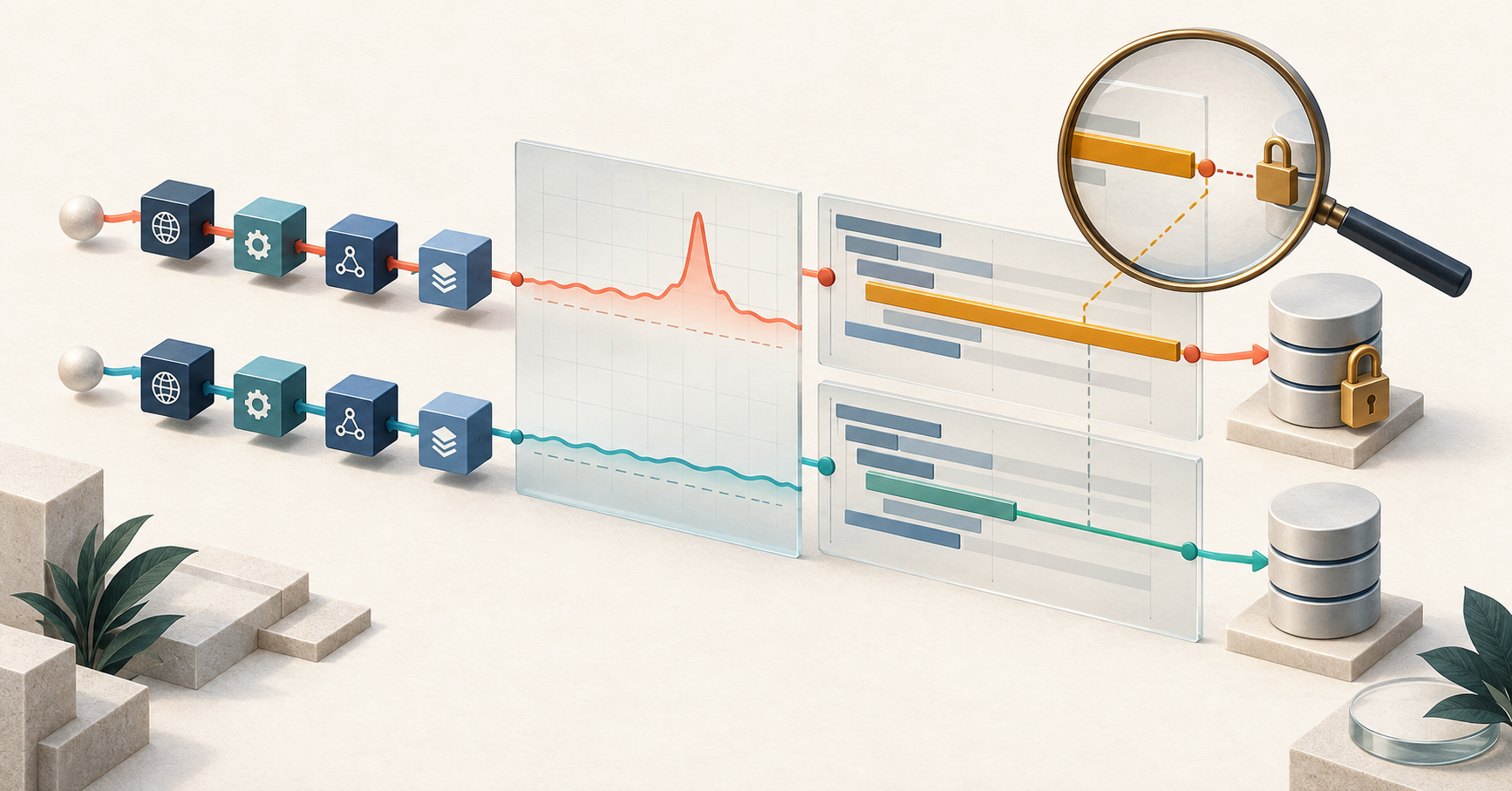
A controlled database-lock experiment connects monitoring, observability, six overlapping stages of development, Grafana Labs tools, and a practical path from symptoms to verified recovery.
Short essays on platform architecture, operability, engineering delivery, and the tradeoffs behind systems that need to keep running.

A controlled database-lock experiment connects monitoring, observability, six overlapping stages of development, Grafana Labs tools, and a practical path from symptoms to verified recovery.

Reading ReAct, Reflexion, and Generative Agents through actions, feedback, and memory, with practical checks for a research-to-publication workflow.

How I am retiring my custom Content Studio and assigning clear roles to Zotero, Heptabase, Linear, Codex, and Git, with complete article and image review before publication.
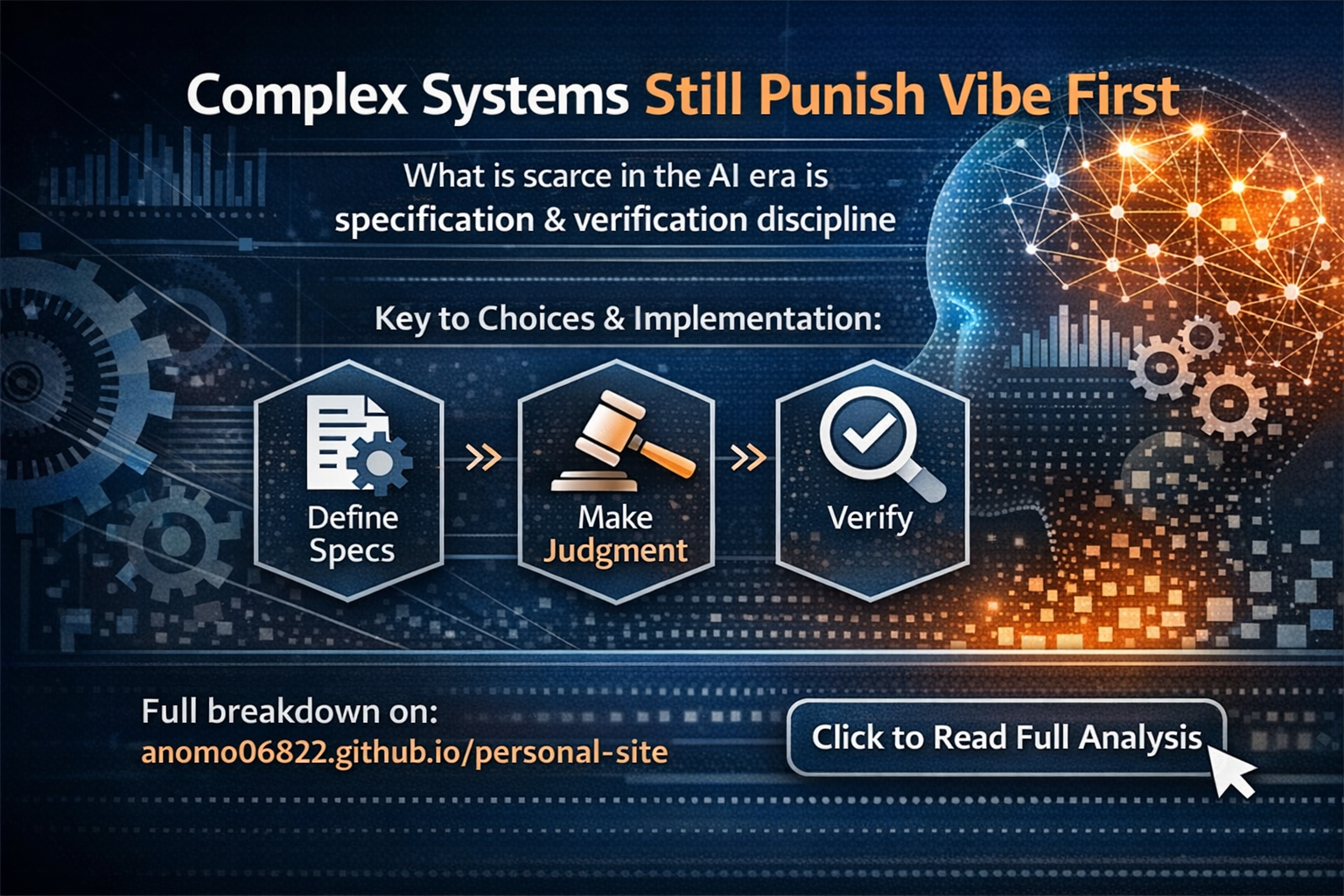
Models make it cheap to generate answers and make it easier for teams to move quickly in the wrong direction. To transform AI from a chat tool into a delivery capability, the key is not to accumulate more prompts, but to establish versionable problem specifications, information gap management, and verification loops.
An effective feedback must not only make people willing to tell the truth, but also keep facts, boundaries and commitments in the system. From a sense of security and specific behaviors to dynamic switching of guidance and teaching, this is a management loop that can be tracked, debugged and continuously improved.

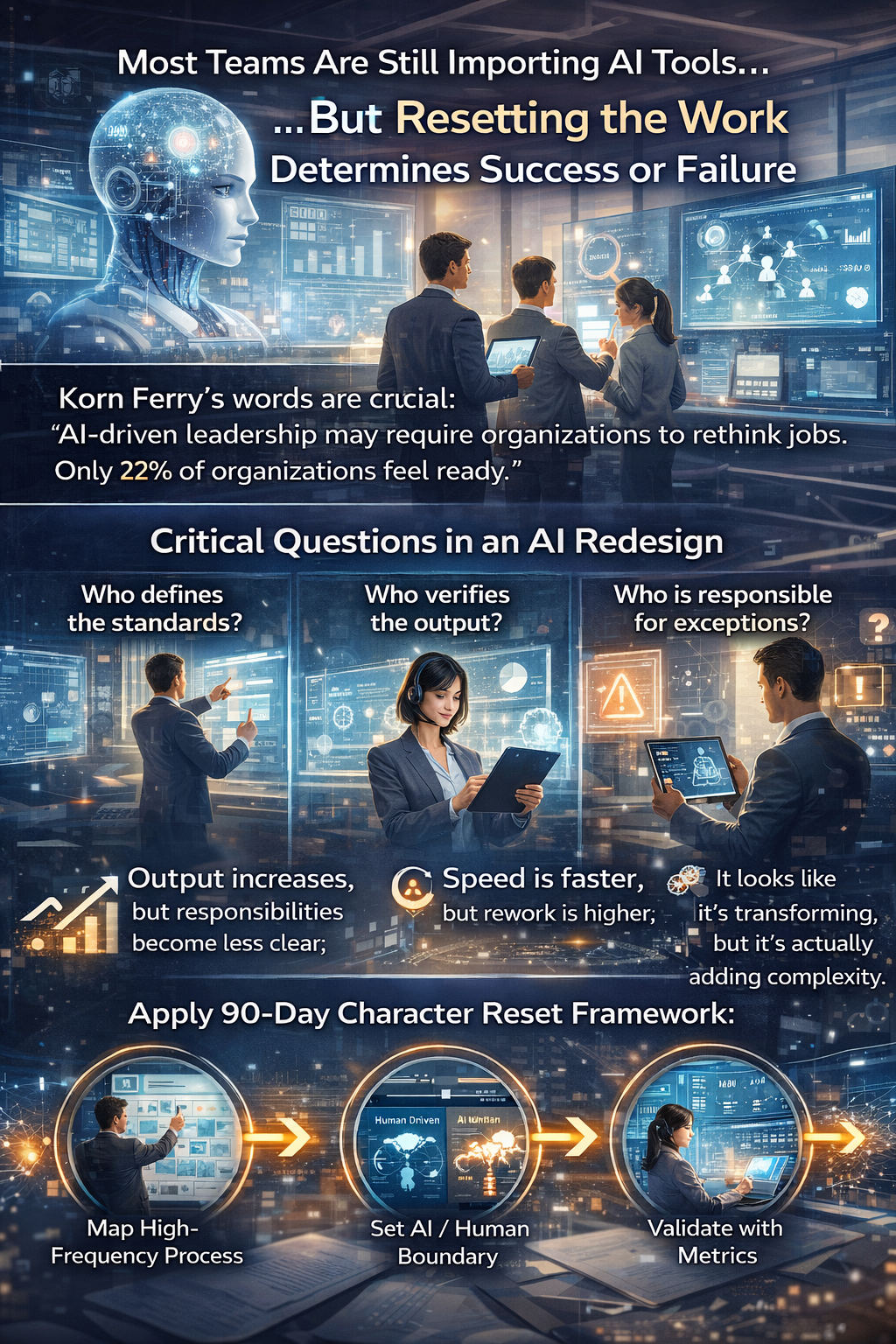
Korn Ferry mentioned that only 22% of organizations believe they are ready for job redesign. What this signal really points to is not the maturity of tools, but that management tasks have been rewritten: the next wave of competition is in role design, verification links and closed loops of responsibility.

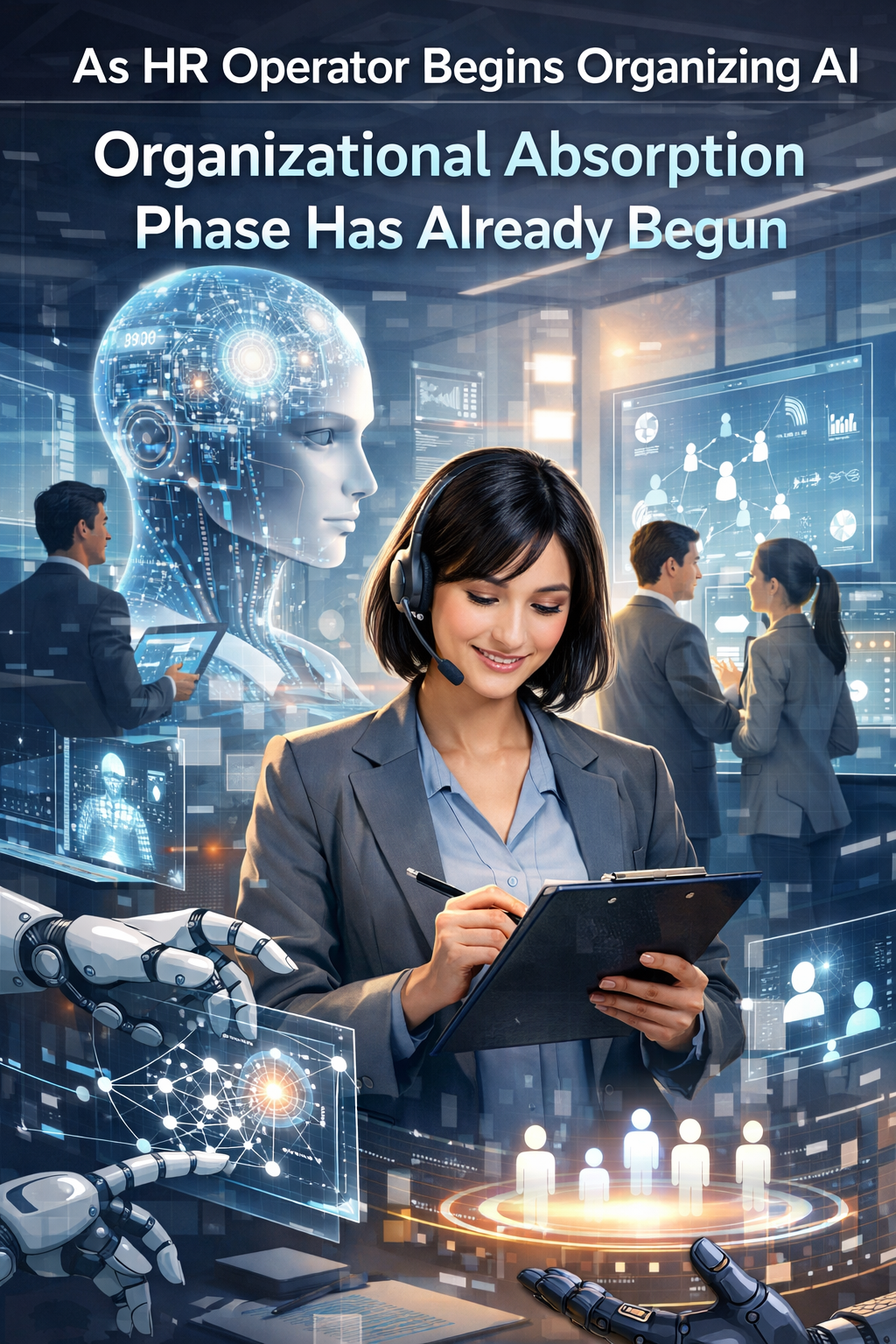
A recent AI reading list on LinkedIn led by talent and HR operators is translating technical signals into management language. This is not just a collection of information, but a clear sign that companies are beginning to use policies, processes, and responsibility frameworks to absorb AI.

GitHub Superpowers' process adjustment on 2026-03-24 revealed that the core battlefield of agentic development has shifted from model performance to process governance. The truly replicable advantage is to turn spec to release into an observable, replayable, and signable delivery rhythm.

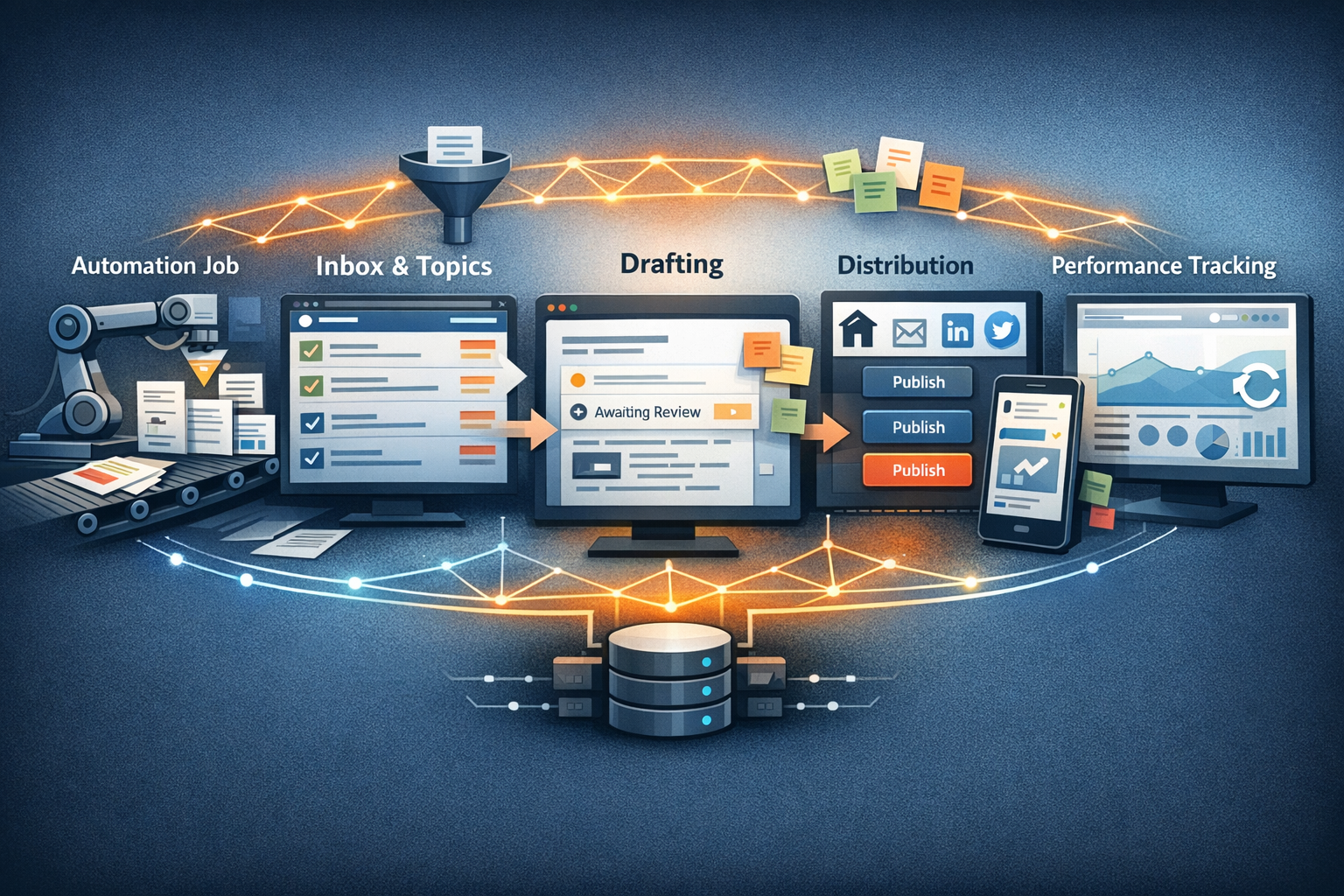
What AIPW actually productized is not an AI writing screen, but a shared workflow that connects automation, Inbox, Topics, Drafting, Distribution, and Performance into one article-centric content control plane.

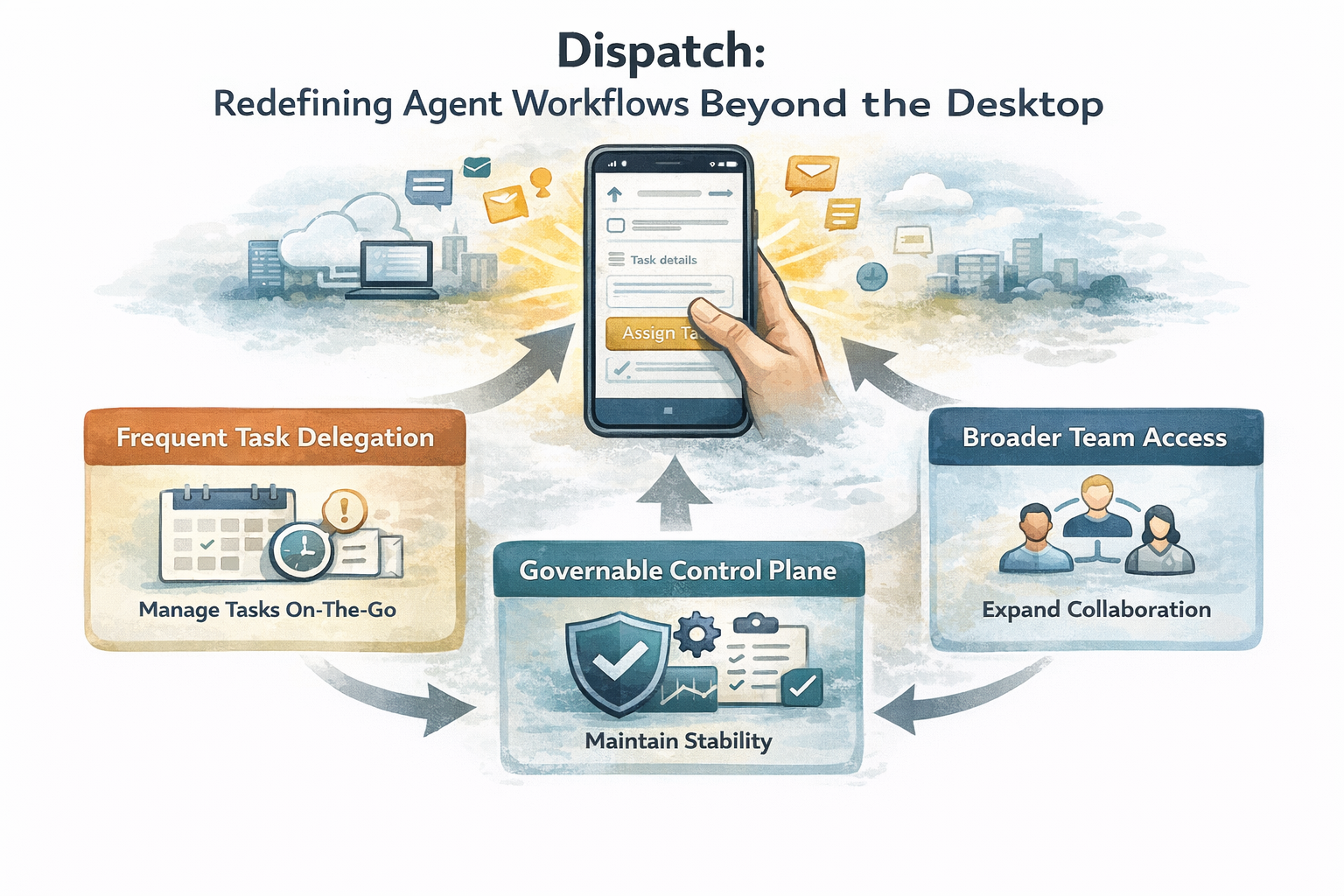
Anthropic's Dispatch seems to be just another mobile phone portal, but what actually changes is the rhythm of agent use and the division of organizational responsibilities. When delegation becomes instant, governance gaps will be magnified in advance; teams must first make up for permissions, status visibility, and takeover mechanisms, rather than rushing to pursue higher automation coverage.

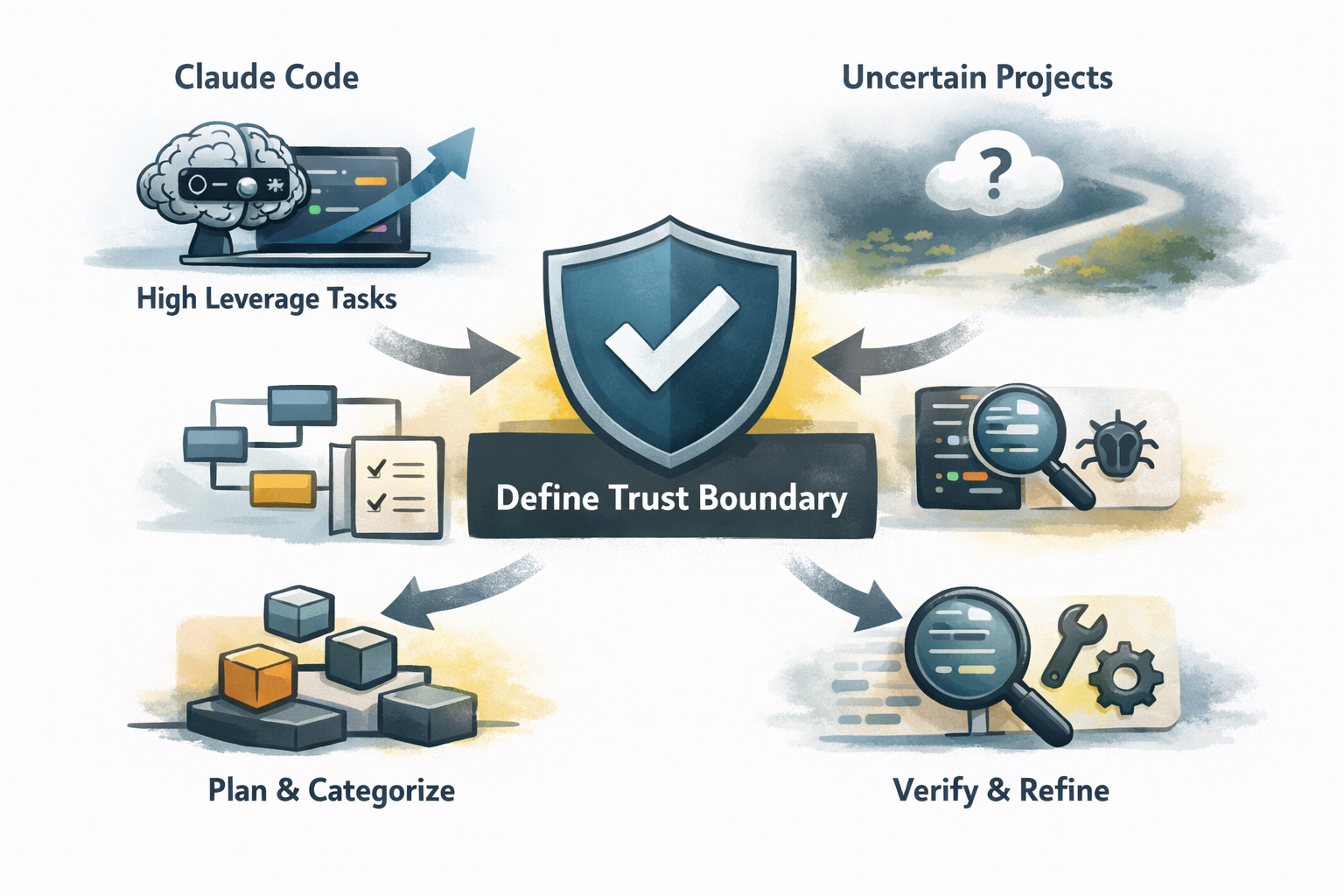
The difference in the effectiveness of Claude Code's import is often not in the model itself, but in whether the team first defines task boundaries and verification mechanisms. When the problem is verifiable, AI coding will bring stable throughput; when demand still drifts, the speed will quickly turn into review and rework debt.

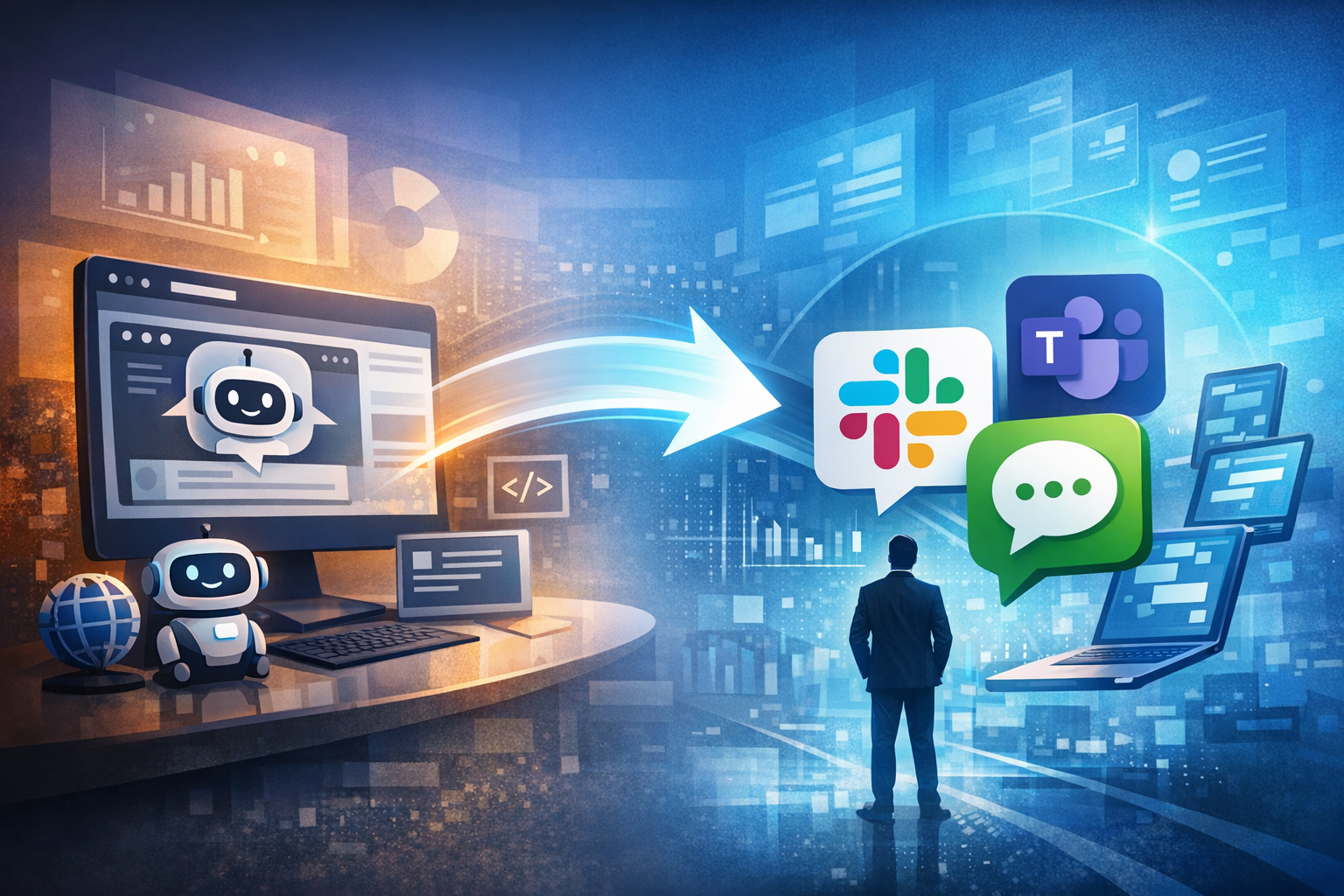
The real value of Vercel Chat SDK is not to build another bot framework, but to standardize the cost of cross-platform distribution, allowing the team to more quickly verify which chat portals are worthy of long-term investment.

Since March, the community’s focus on Vibe Coding has shifted from “doing it quickly” to “who is responsible.” When a prototype is mistaken for a product, the development time saved by the team is often doubled in maintenance, rework, and handover costs.

When AI pushes the coding speed to new highs, the team's deepest bottleneck emerges earlier: unclear requirements boundaries, unexecutable acceptance, and untraceable responsibilities. This article starts from Replit's discussion spread and explains why the competition points of complex products are returning to spec, ownership and observability.
What really changes in this GitHub upgrade is not the number of comments, but the understanding process before commenting: context-aware review will become the basic threshold for the next stage of AI code review.
The real signal of `agency-agents` is not "another bunch of AI role prompts", but that the agent circle has begun to make "expert specifications + cross-tool distribution + collaborative narrative" into a reusable product.
What is really noteworthy is not the writeback function itself, but that it pulls the design and code back into the same traceable artifact chain, allowing the team to systematically handle drift, conflicts, and delivery consistency.
The key competition in AI coding in 2026 is no longer who receives the new model first, but who first turns the Agent into an engineering system that is observable, verifiable, maintainable, and deliverable.
This is not an additional search API, but the inclusion of official docs into the truth layer of the agent production chain; the point of competition will shift from model answering capabilities to knowledge source traceability and operational controllability.
GPT-5.4 puts agent execution and professional work into the same product line. The focus of competition therefore shifts from model benchmarking to who can more stably productize task completion rates, governance, and maintainability.
For most teams, the `AGENTS.md` class resident context should be the default layer, and skills and retrieval should be supplementary layers; the focus of competition is shifting from "better at checking" to "better at forgetting".
What Copilot CLI GA really redefines is not the CLI tool, but the human-machine division of labor in the engineering team: the point of competition shifts from who can generate code to who can make permissions, observability, and rollback mechanisms scalable in the terminal.
The essence of this wave of updates is not to stack functions, but to upgrade IDE chat to a delivery workbench that can be planned, isolated, routed, and connected to external capabilities; the point of competition will shift from "who can write more" to "who can stably deliver and maintain multi-agent processes."
What GPT-5.4 really promotes is not a single benchmark, but how the team incorporates AI into a maintainable, observable, and acceptable delivery process.
What is really noteworthy is not "which jobs will be replaced", but that enterprises can now use observable indicators to manage the introduction of AI: putting procurement, training, process transformation and risk management into the same decision-making system.
What is really worth noting is not that Cloudflare has an additional output format, but that web content has officially appeared as a "machine-first entry": getting the input interface right first is often more effective than piling on prompt engineering.
Storage Buckets is not a small feature, but an infrastructure signal for Hugging Face to upgrade from a repo center to an artifact center; the point of competition is turning to who can make the artifact flow lower friction, observable, and maintainable.
The most important thing about this project is not to automate model training, but to transform research organization logic into a versionable workflow; the point of competition is shifting from model parameter adjustment skills to iterative system design capabilities.
The key significance of OpenClaw is to move the AI workflow from prompt engineering to execution management: onboarding, routing, policy and audit are worthy of productization; high-risk and destructive actions across accounts still need to be manually verified.
What really changes in `autoresearch` is not "whether AI can do research", but "the research agent has entered the team's daily evaluation list with a replicable process for the first time." The focus of competition will shift to maintainability and evaluation governance.
The key to Meta's acquisition of Moltbook is not the size of the product, but the use of acquisitions to accelerate the acquisition of reusable agent roles and social interfaces; the next wave of AI agent competition will extend from the model layer to operational product and distribution aspects.
The focus of competition is shifting from "model output quality" to "whether the work process is observable, manageable, and can be delivered stably", and runtime selection will become an architecture-level decision.
What is really important is not adding a new plugin, but Vercel packaging knowledge graph, context injection, specialist agents, and validation hooks into the AI-native DX control plane, and is rewriting the moat definition of the developer platform.
A truly usable agent editor does not just do things, but turns autonomous permissions and debugging observations into a control plane that can be run daily.
How I approached architecture, delivery shape, and operating rules for a new logistics platform.